
Hire a Public Adjuster Early
A public adjuster is not only for underpaid claims. Homeowners can hire one after covered property damage to understand policy benefits, document losses, prepare a complete claim, and communicate with the insurer. Early guidance may prevent missed damage, incomplete paperwork, rushed decisions, and avoidable disputes before a settlement is accepted.
Why hire a public adjuster before a claim is underpaid?
Many homeowners think a public adjuster is useful only after an insurance company makes an unfair offer. In reality, the strongest time to seek help is often before the claim is fully investigated or settled.
A public adjuster represents the policyholder—not the insurance company. The insurer’s adjuster works for the carrier and evaluates the loss according to that company’s interests and procedures. A public adjuster helps you understand what your policy may cover and builds evidence to support the full scope of the loss.
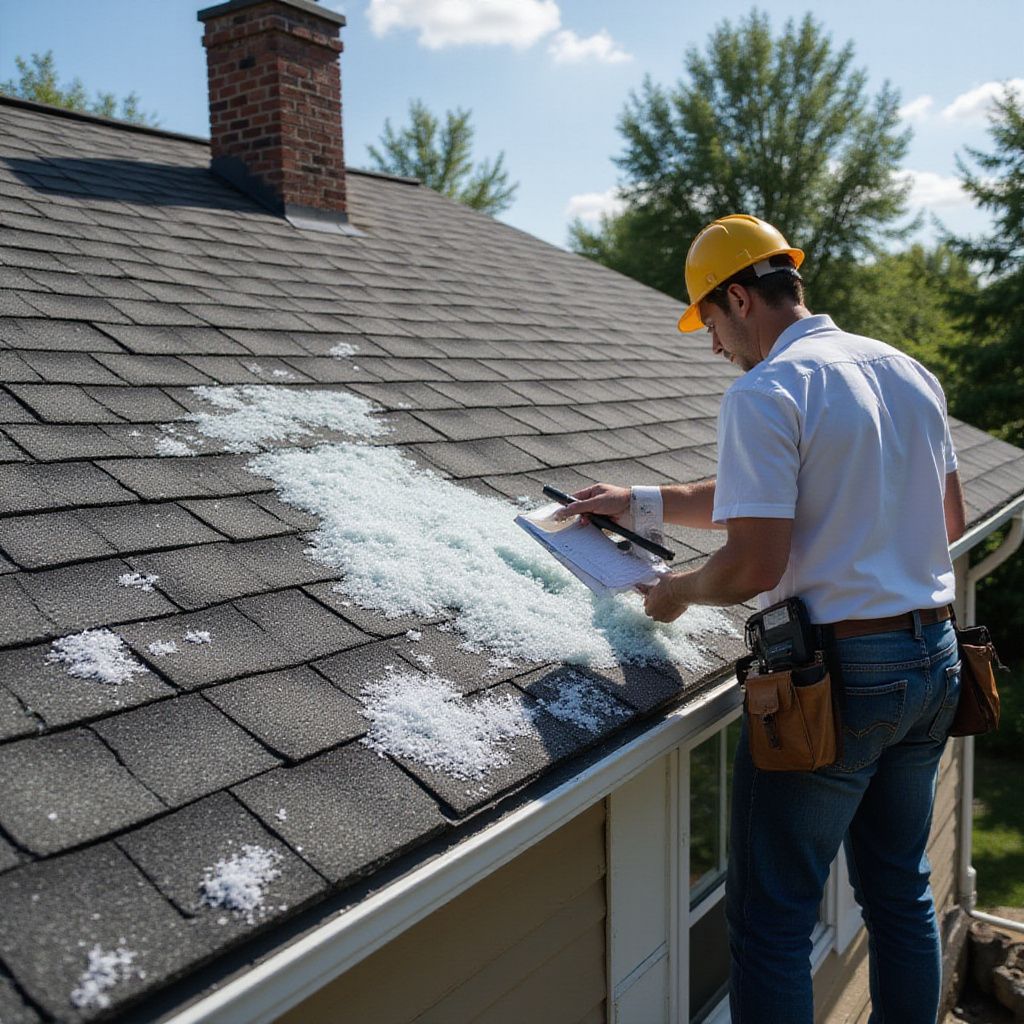
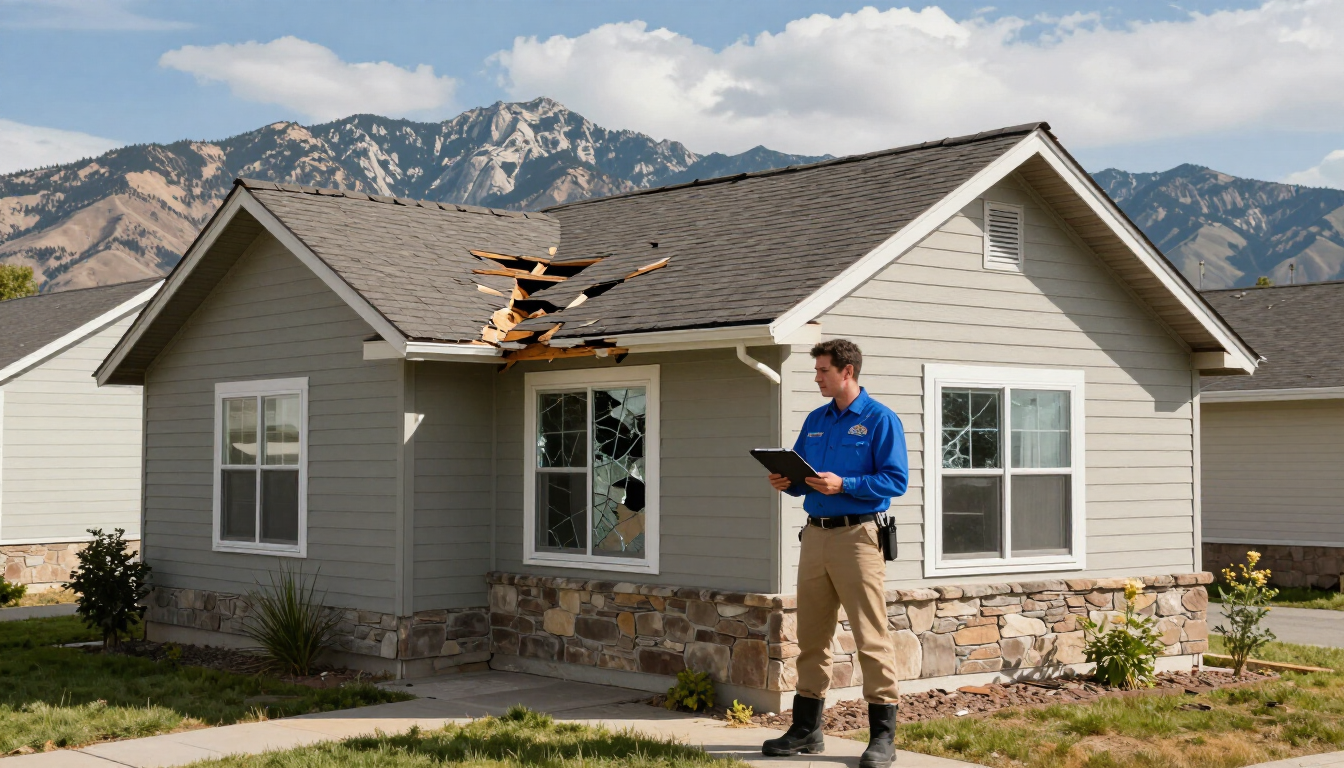
This matters because property damage is frequently more extensive than it first appears. Water can travel behind walls. Smoke odor and soot can affect areas beyond the visibly burned room. Hail may damage roofing materials that are difficult to identify from the ground. A fast inspection may overlook these conditions.
What does a public adjuster do?
A licensed public adjuster may help with the claim from the first inspection through negotiation and resolution. Typical responsibilities include:
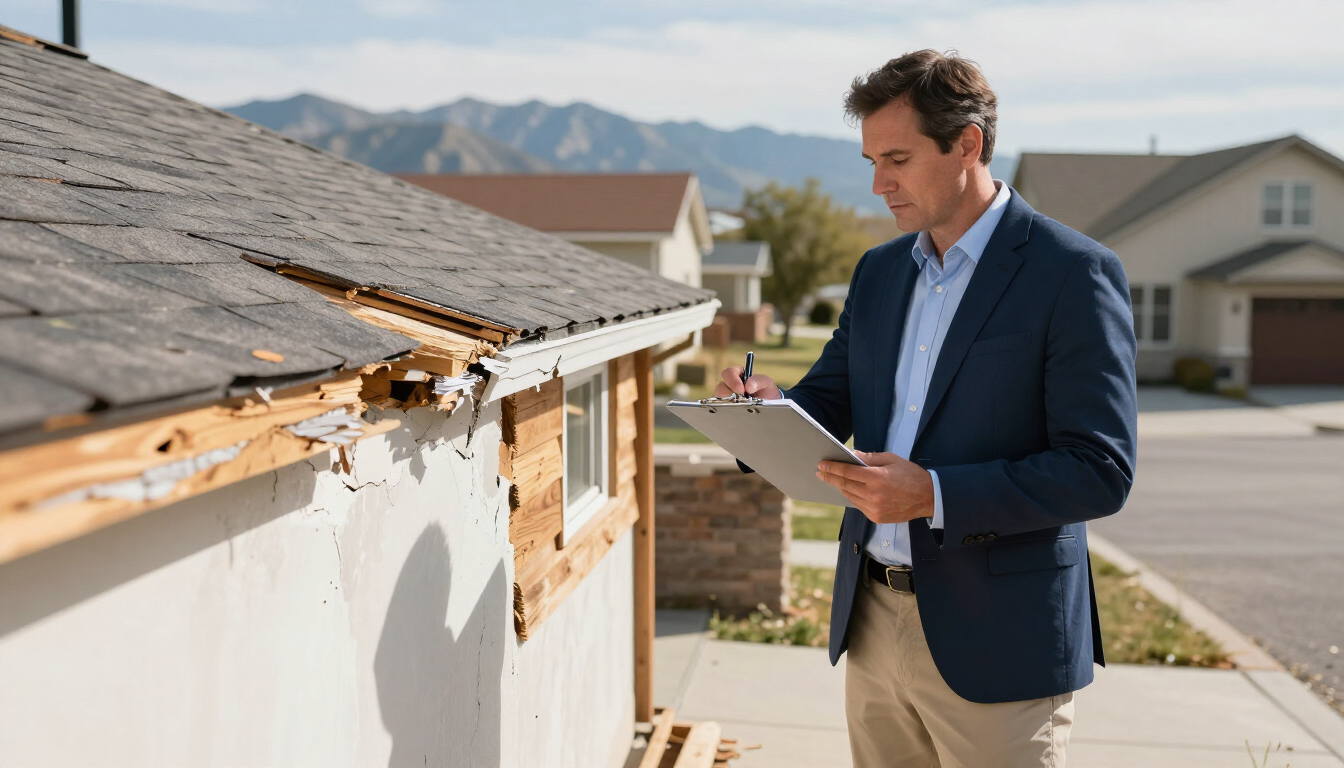
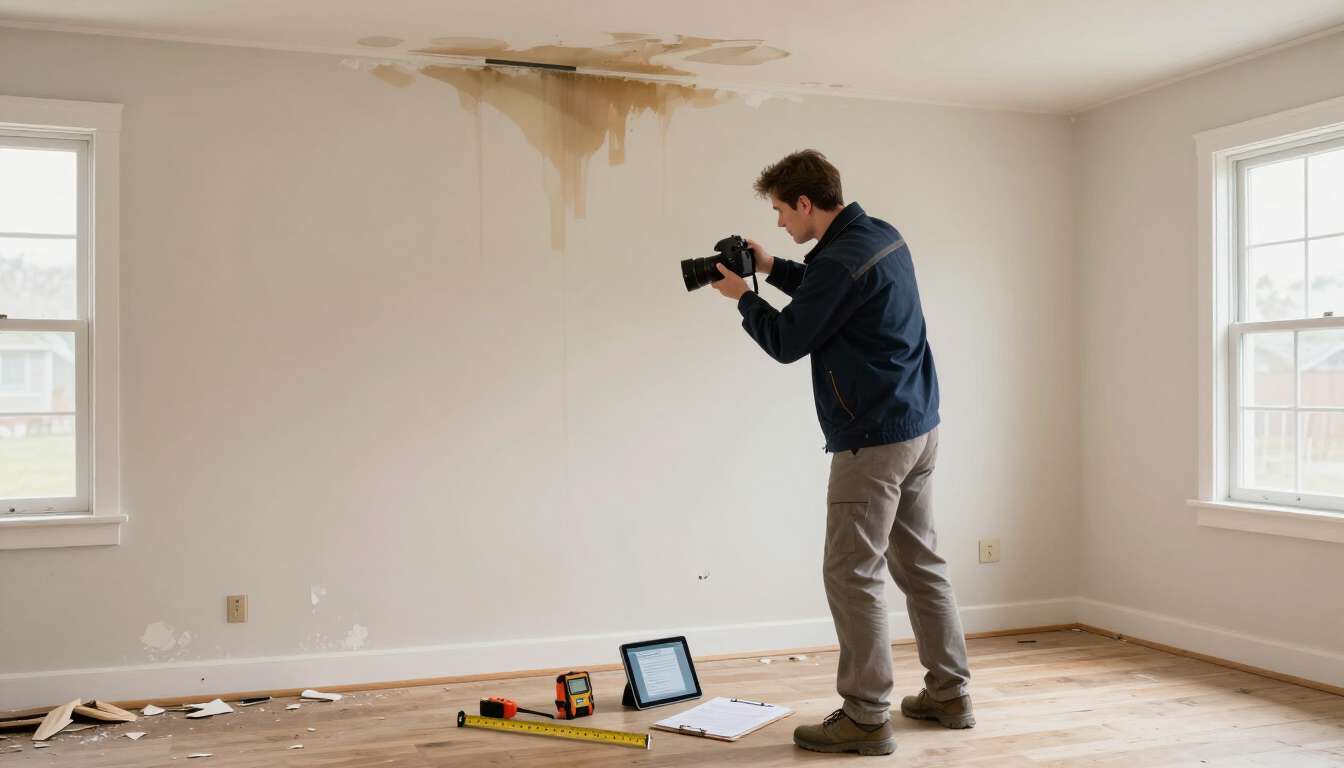
- Inspecting and documenting visible and hidden damage
- Reviewing policy language, limits, exclusions, and deadlines
- Preparing repair estimates and an organized claim inventory
- Communicating with the insurance company and its representatives
- Negotiating for a settlement supported by evidence
For an overview of the process, see how a public adjuster helps .
When should you hire a public adjuster?
You may benefit from contacting a public adjuster as soon as you discover significant damage, especially before signing a final release or accepting a settlement. Early assistance can be valuable in several situations.
1. After a major loss
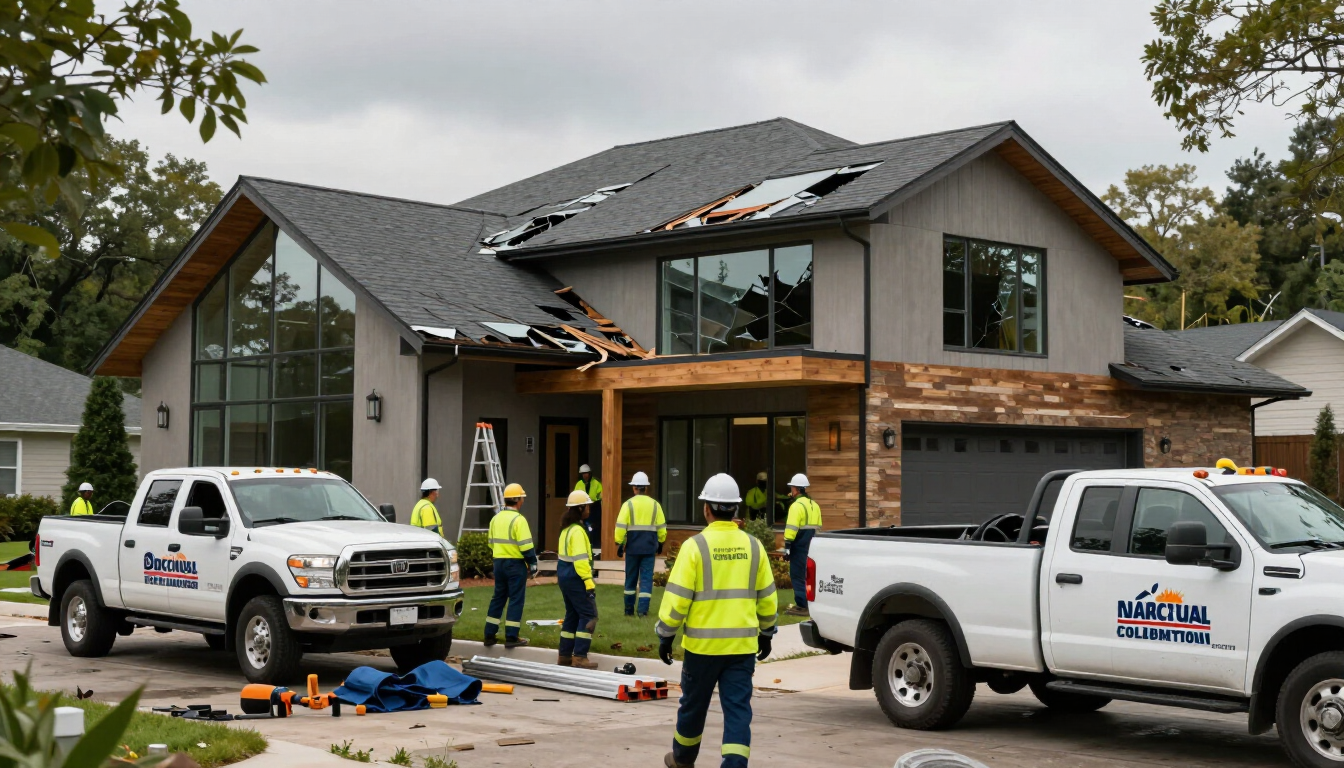
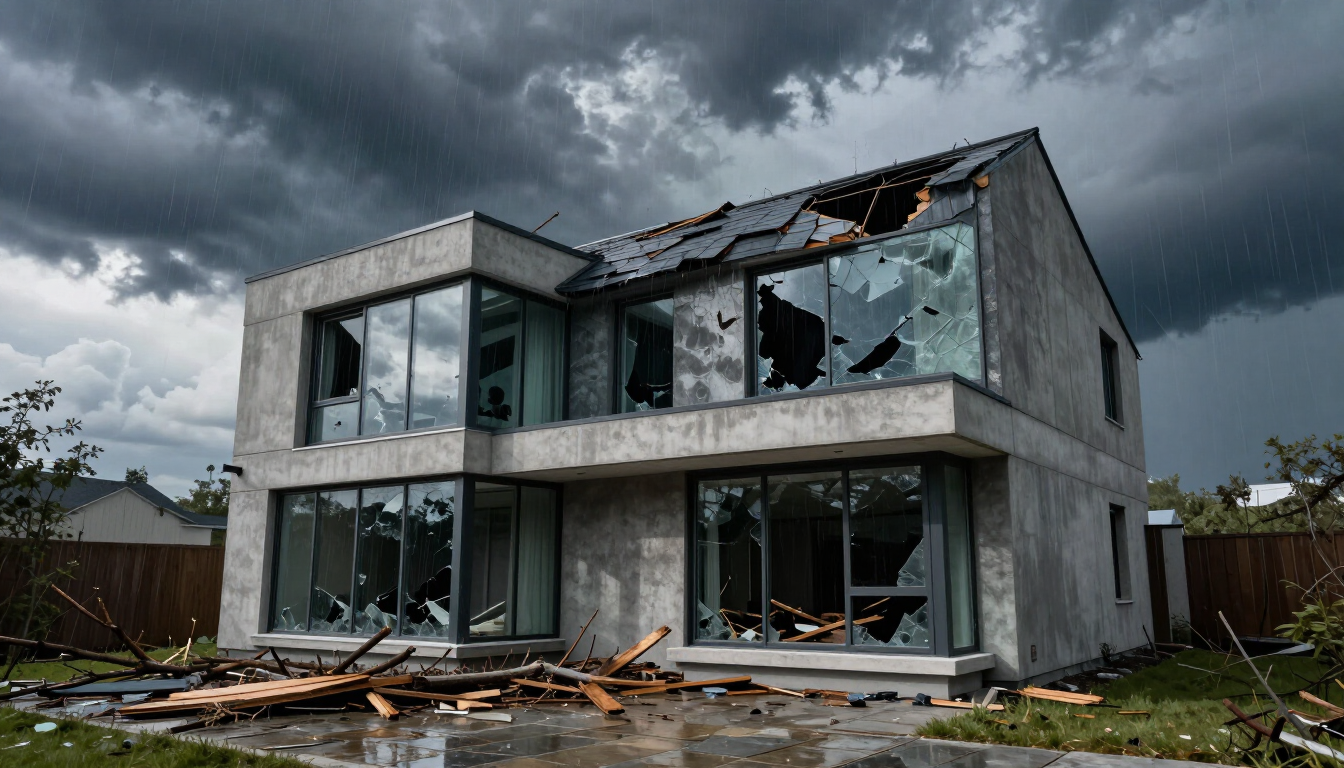
A burst pipe, serious storm, fire, or extensive mold-related loss can affect the structure, personal property, temporary living arrangements, and future repair costs. Managing every category alone can be difficult while your household is also dealing with disruption.
A public adjuster can help organize the claim so that damage is not limited to the most obvious room or item. For water losses, review the guidance on water and mold damage insurance claims . Homeowners affected by fire can also explore fire and smoke damage insurance claims .
2. When the cause or coverage is complicated
Some claims involve questions about the source of damage, timing, wear and tear, matching materials, code upgrades, or multiple policies. An experienced professional can help identify the information needed to present the claim clearly.
This does not guarantee coverage. Instead, it gives the policyholder a knowledgeable advocate who can compare the facts of the loss with the policy’s terms and explain potential issues.
3. When you are overwhelmed by the process
Insurance claims require photographs, estimates, receipts, inventories, forms, conversations, and deadlines. A homeowner may be trying to do this while arranging emergency repairs, finding temporary housing, or caring for family members.
Delegating much of the claim administration can reduce confusion. It also creates a central process for tracking questions, documents, inspections, and insurer responses.
4. When the insurer’s inspection seems too brief
A short inspection does not necessarily mean the claim is wrong, but it may not capture the complete loss. If the adjuster spends little time examining the property or focuses only on visible damage, consider getting independent guidance before making final decisions.
5. Before repairs erase important evidence
Emergency mitigation may be necessary to protect the property, but documentation should happen whenever reasonably possible. Keep photographs, videos, damaged materials, receipts, invoices, and contractor communications. Do not make permanent repairs before the insurer has had a reasonable opportunity to inspect unless immediate action is necessary to prevent further damage.
What problems can a public adjuster help prevent?
Professional claim support can address more than an initially low offer. It may help prevent:
- Missing damage that becomes harder to prove later
- Incomplete personal-property inventories
- Estimates that omit necessary labor or materials
- Confusion about additional living expenses
- Premature acceptance of a settlement
A public adjuster also helps maintain a written record of claim communications. Clear records can be important when facts, estimates, or coverage interpretations change during the process.
Is a public adjuster worth it if the insurance company has not made an offer?
Potentially, yes. The value of a public adjuster is not limited to increasing an offer after a dispute. Early work can improve the claim’s accuracy, organization, and presentation before the insurer reaches a final position.
The right question is not simply, “Has the insurer underpaid me?” Consider asking:
- Is the damage extensive or difficult to document?
- Do I understand the policy and claim deadlines?
- Can I prepare a complete repair estimate and contents inventory?
- Do I have time to coordinate inspections and negotiations?
- Would an independent professional help me make a more informed decision?
For homeowners in Utah, including Salt Lake City, Provo, Orem, Spanish Fork, and surrounding communities, local construction knowledge can be especially useful when estimating regional repair costs and identifying storm-related damage. Learn more about Salt Lake City insurance claims help or Provo water damage claims help .
How does the public adjuster process work?
The process varies by firm and claim, but it commonly follows these steps:
- Initial consultation: You discuss the loss, policy information, damage, and claim status.
- Property inspection: The adjuster examines affected areas and documents conditions with photographs, measurements, and notes.
- Policy and damage review: Coverage provisions are compared with the documented loss and anticipated repairs.
- Estimate and inventory preparation: The claim is organized into building damage, contents, mitigation, and other applicable categories.
- Insurer communication: The public adjuster presents supporting documentation and responds to questions.
- Negotiation and resolution: The parties work toward a settlement consistent with the policy and evidence.
You can review related public adjuster services before deciding what level of assistance fits your situation.
What should you ask before hiring one?
Before signing an agreement, ask whether the adjuster is licensed in your state, how fees are calculated, what services are included, how expenses are handled, and how the agreement can be ended. Request a clear written contract and make sure you understand any contingency fee.
Utah and Idaho homeowners should confirm that the professional is authorized to work in the applicable state. You can also ask about experience with your type of loss, communication expectations, and who will manage the claim day to day.
Public adjuster versus handling a claim alone
Handling a small, straightforward claim may be manageable for some homeowners. A public adjuster may be more useful when the loss is large, technical, disputed, or emotionally overwhelming.
Handling the claim yourself
- You retain full control of communications and decisions.
- There is no public adjuster fee.
- You are responsible for inspections, documentation, estimates, and negotiation.
- You must interpret policy language and track deadlines independently.
Working with a public adjuster
- You receive professional help organizing evidence and claim categories.
- An advocate communicates with the insurer on your behalf.
- The adjuster may identify damage or benefits you did not know to include.
- Fees apply according to the written agreement, commonly based on the recovery.
Neither option is automatically right for every loss. The decision should reflect the claim’s complexity, your available time, and your confidence managing the process.
Can a public adjuster help with storm, fire, and water damage?
Yes. Public adjusters commonly assist with many covered property losses, including wind, hail, water, fire, smoke, and related structural or contents damage. Each claim still depends on the policy, facts, exclusions, and applicable requirements.
For storm-related losses, see storm, wind, and hail claims . Homeowners facing hail damage may also find Salt Lake City hail claim information helpful.
A public adjuster cannot promise approval or a specific dollar amount. Their role is to investigate, document, value, and present the claim so the policyholder can pursue the benefits available under the policy.
Key takeaways
A public adjuster is an option before—not only after—a claim becomes underpaid. Early advice can help you document damage, understand coverage, avoid incomplete estimates, and make informed settlement decisions. Consider professional help when the loss is substantial, the damage is complicated, or the process feels difficult to manage. Before hiring anyone, verify licensing, understand the written fee agreement, and ask how the professional will handle your specific type of loss. If you are ready to discuss your situation, contact our team for next steps.