Why Insurance Claims Get Underpaid

July 21, 2026

Share this article

Insurance claims get underpaid primarily because the insurance company’s adjuster works to protect the insurer’s bottom line, not the homeowner’s. Factors including incomplete damage assessments, misinterpretation of complex policy language, and failure to account for rising local material and labor costs often result in settlements far below the actual repair value.

Why do insurance companies underpay claims?

For many first-time homeowners in Utah, the realization that an insurance settlement is insufficient comes as a shock. You pay your premiums month after month, year after year, with the expectation that when disaster strikes—be it a frozen pipe in Salt Lake City or a devastating hailstorm in Orem—your policy will act as a safety net. However, the insurance industry is a business, and like any business, profit margins are a priority. When a claim is filed, the company’s primary goal is to resolve it as quickly and inexpensively as possible.

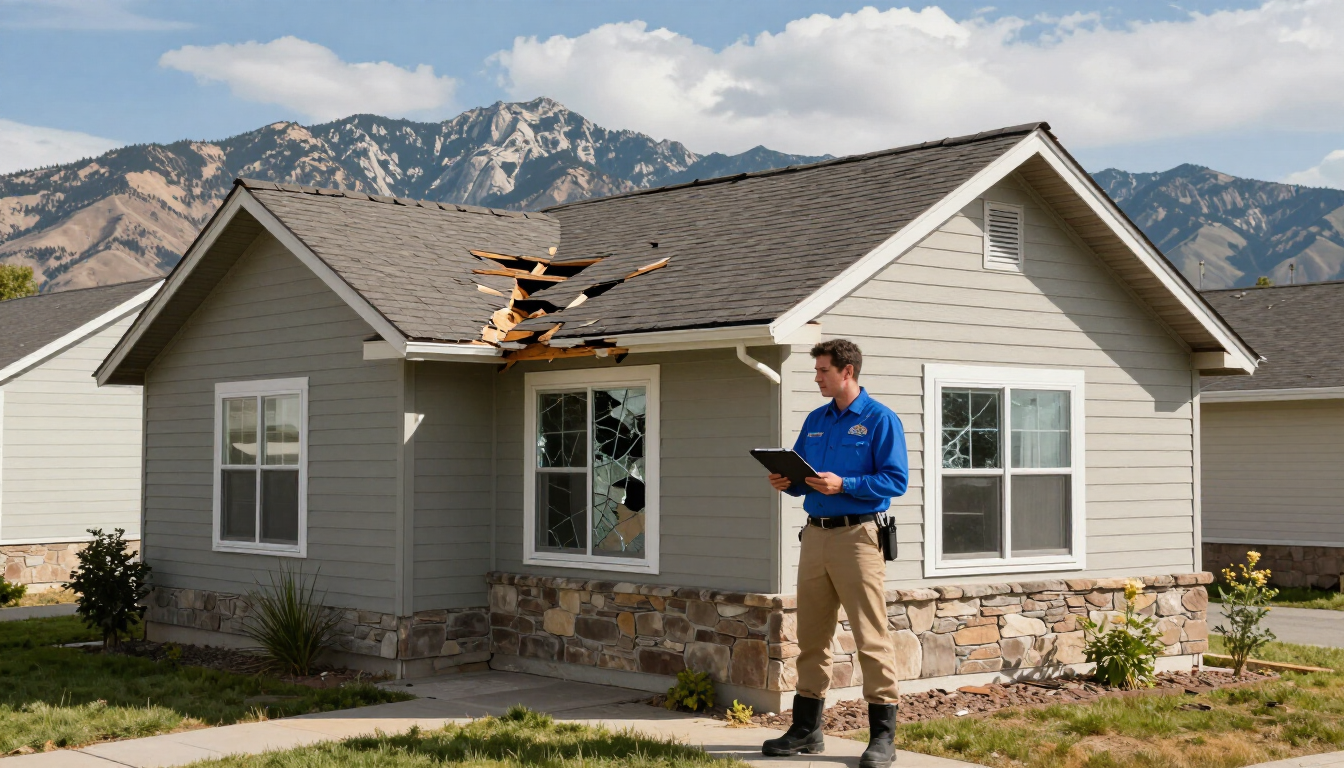
One of the most common reasons for underpayment is the speed of the initial inspection. An insurance company adjuster may have a heavy caseload, especially following a widespread event like the August 2024 hailstorm that swept through Utah. They might only spend twenty to thirty minutes at your property. In that short window, it is nearly impossible to identify the full scope of damage, such as hairline cracks in siding or moisture trapped behind drywall. When the assessment is incomplete, the resulting check is naturally lower than it should be.

Furthermore, there is a fundamental conflict of interest. The adjuster sent by the insurance company is their employee or a contractor hired by them. Their loyalty and financial incentives are tied to the insurance carrier. They are trained to look for reasons to limit the payout, often citing "wear and tear" or "pre-existing conditions" to exclude necessary repairs. This is why many denied and underpaid claims leave homeowners struggling to cover the actual costs of restoration.

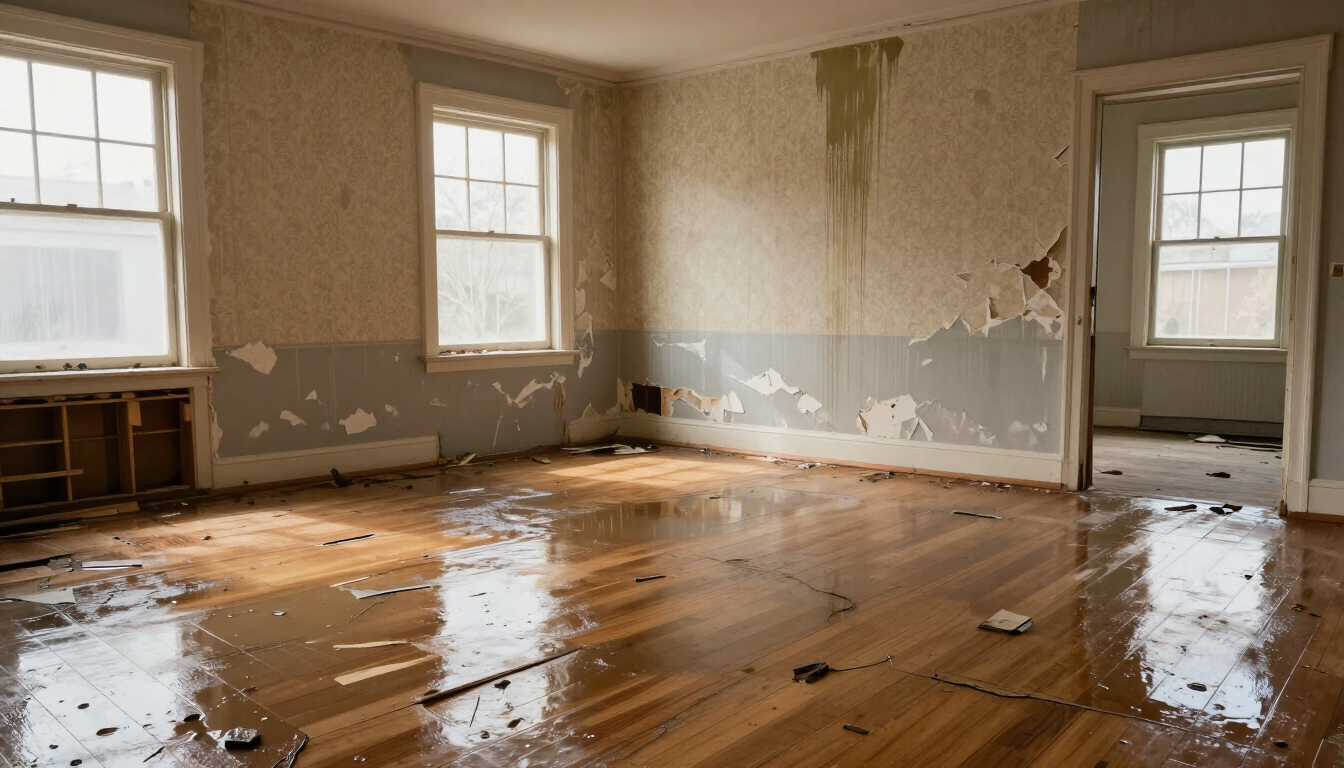
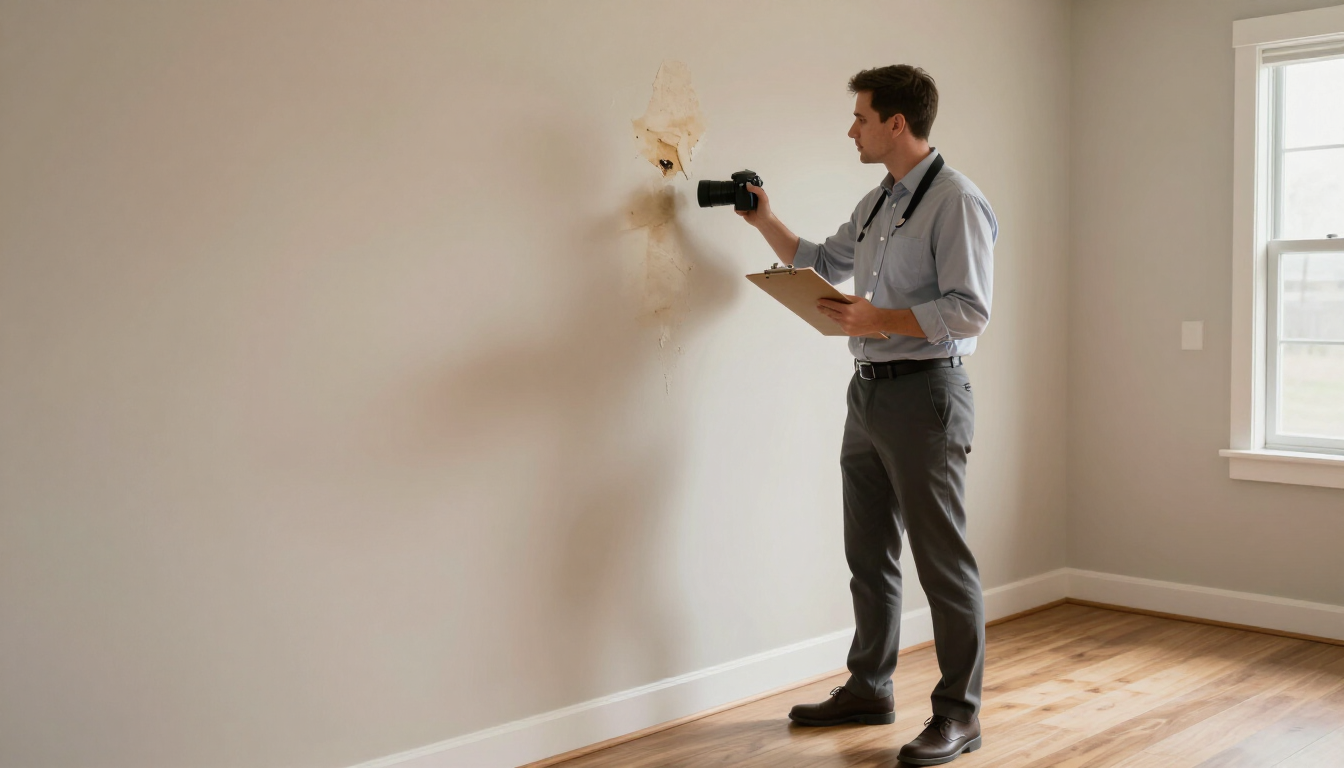
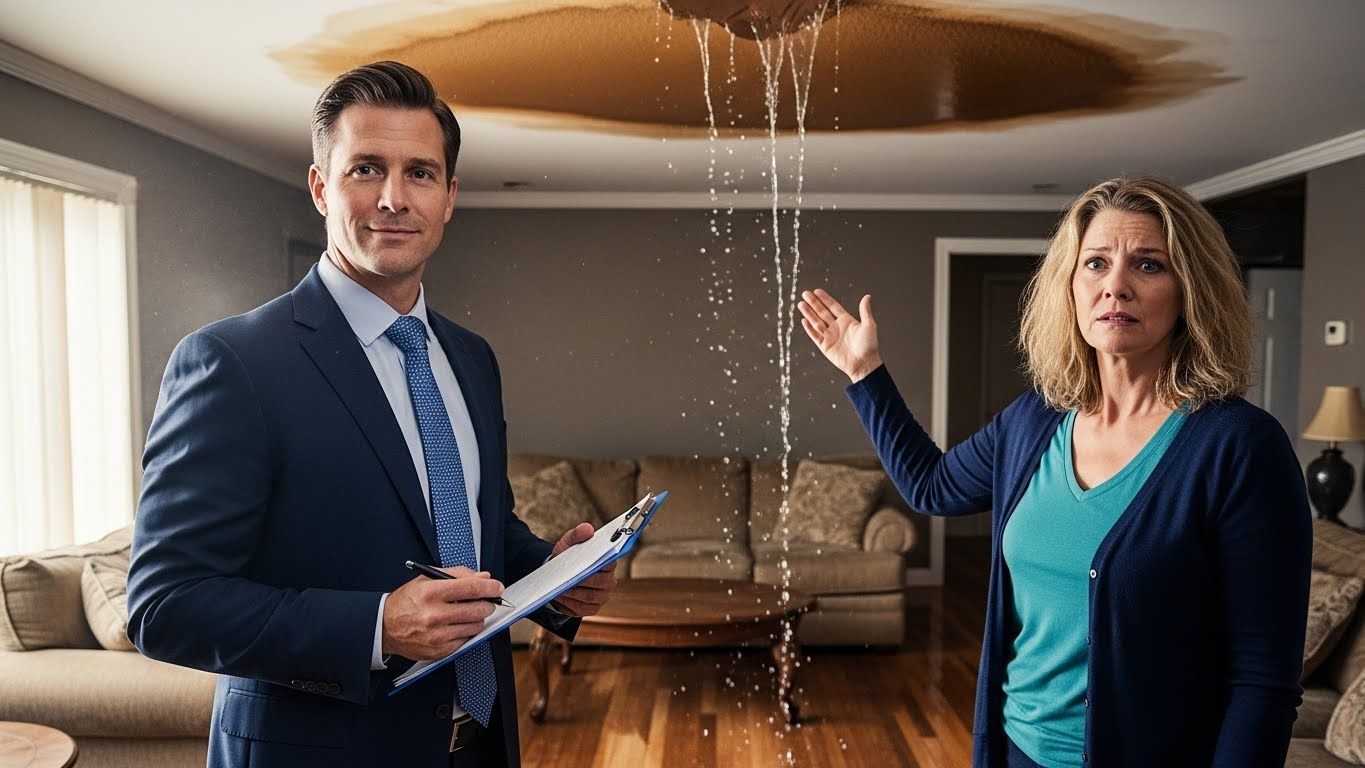
Home interior with water damage

Common reasons for low settlement offers

When you receive an estimate from your insurance company, it often looks official and comprehensive. However, several systematic factors contribute to why that final number is frequently lower than your contractor’s quote. Understanding these factors is the first step in advocating for a fair settlement.

  • Inaccurate Material Pricing: Insurance companies often use software that relies on national averages rather than local Utah market rates for labor and materials.
  • Overlooking Secondary Damage: Damage like smoke odor in Spanish Fork or mold following a water damage event is often minimized or ignored.
  • Depreciation Deductions: The carrier may apply heavy depreciation to items that should be replaced at full value, depending on your specific policy type.
  • Missing Line Items: Small but essential costs, such as permit fees, debris removal, and protective masking, are frequently left off the initial estimate.
  • Policy Limit Misinterpretation: Carriers may claim a specific sub-limit applies to your damage when the broader policy should actually cover the full cost.

These tactics aren't necessarily illegal, but they are designed to favor the insurance company. For a first-time homeowner, navigating these nuances is like playing a game where the opponent also wrote the rulebook. Without professional help, you are at a significant disadvantage.

How does the adjuster's role affect your payout?

The distinction between different types of adjusters is something every homeowner should understand. The "adjuster" you meet shortly after filing a claim is either a staff adjuster or an independent adjuster hired by the insurance company. In both cases, they are representing the interests of the carrier. Their job is to document the loss according to the carrier’s guidelines, which are often restrictive.

Imagine you are dealing with a kitchen fire in Spanish Fork. The soot and ash contain carcinogens and can penetrate deep into electronic equipment and wall cavities. A carrier's adjuster might suggest a simple cleaning, whereas a thorough restoration requires professional remediation. Because the adjuster works for the company, they are pressured to choose the most "cost-effective" (cheapest) method of repair, regardless of whether it truly restores your home to its pre-loss condition. This is a primary reason why fire and smoke damage claims are so frequently underpaid.

Conversely, a public adjuster is the only type of adjuster licensed to represent you, the policyholder. They do not work for the insurance company. Their role is to be your advocate, conducting a forensic-level inspection of the damage. While a company adjuster might spend 20 minutes at your home, a public adjuster might spend three hours, checking every nook and cranny to ensure nothing is missed. This shift in representation often leads to a massive difference in the final settlement amount.

The impact of policy language on your claim

Homeowners insurance policies are notoriously difficult to read. They are filled with technical jargon, exclusions, and endorsements that can change the meaning of a single paragraph. Terms like "Actual Cash Value" (ACV) versus "Replacement Cost Value" (RCV) can mean the difference between receiving $8,000 for a new roof or $25,000.

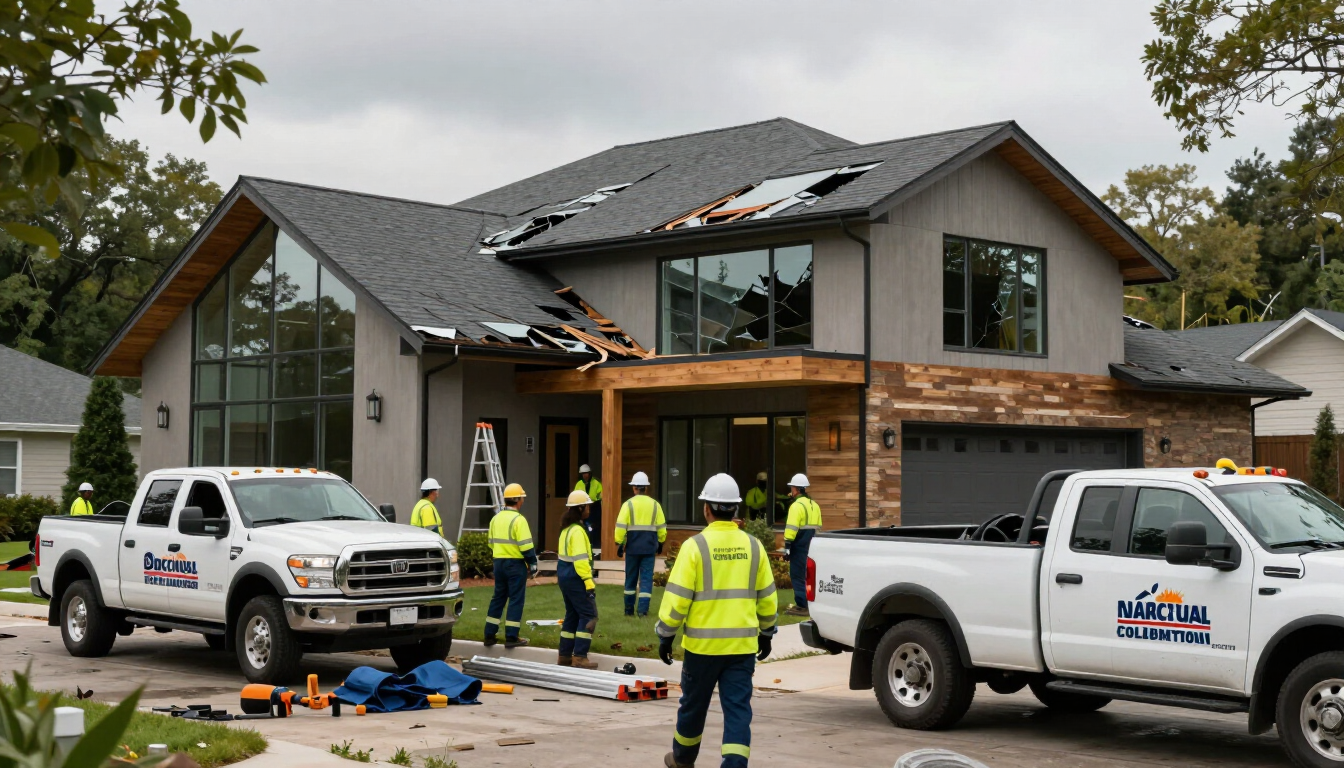
Insurance companies rely on the fact that most homeowners will not read their policy in its entirety. When they provide a low settlement, they often point to a specific clause to justify the number. However, these clauses are often open to interpretation. A skilled professional knows how to argue the policy language in your favor. For example, in cases of storm, wind, and hail , there are often specific requirements for how much of a roof must be damaged before the entire slope or the entire roof must be replaced. A carrier will almost always argue for the minimum possible repair, while the policy may actually entitle you to a full replacement to ensure a uniform appearance.

Public adjuster inspecting a roof

Can a public adjuster identify hidden damage?

Yes, and this is perhaps the greatest value they provide. Visible damage is just the tip of the iceberg. Following a flood or a burst pipe, water can seep into the subflooring, travel up through the studs via capillary action, and settle in areas where it will eventually cause structural rot or toxic mold growth. An insurance company adjuster might only look at the damp carpet. A professional advocate will use moisture meters and thermal imaging to prove that the damage extends far beyond what is visible to the naked eye.

In Salt Lake City, where freezing temperatures are common, burst pipes are a frequent issue. The pressure from expanding ice can cause micro-fractures in plumbing that don't leak immediately but fail weeks later. A public adjuster knows to look for these signs. By documenting this hidden damage early, they prevent you from having to file a second claim later—which the insurance company would likely deny as a "maintenance issue."

If you are in Orem or Provo and dealing with water damage , you need an advocate who understands the local building codes. Often, insurance companies fail to include "law and ordinance" coverage in their estimates. If local codes require you to upgrade your electrical or plumbing systems during a repair, your insurance should cover those costs, provided you have the right coverage. A public adjuster ensures these "hidden" costs are included in your claim from the start.

Steps to take after receiving a low offer

If you have already received a check and it feels too low, do not panic, and most importantly, do not assume the case is closed. Many homeowners believe that by cashing the check, they are agreeing that the claim is settled. In most cases, this is not true; it is simply an "undisputed" payment. Here is what you should do next:

  1. Do Not Sign a Final Release: Avoid signing any document that says "full and final settlement" unless you are absolutely sure the amount is sufficient.
  2. Request the Full Adjuster Report: You have a right to see the line-item estimate the insurance company used to calculate your payment.
  3. Document Everything: Keep a log of every phone call, email, and visit from the insurance company.
  4. Get a Secondary Quote: Contact a local contractor to get a real-world estimate of the repair costs.
  5. Consult a Public Adjuster: Have a professional review your policy and the insurance company’s offer to identify where money was left on the table.

Taking these steps helps build the evidence needed to reopen the claim and demand the full amount. Whether it's for Lehi hail damage or a complex fire claim, having a paper trail is essential for success.

Why hiring a professional advocate levels the playing field?

The insurance company has teams of experts, lawyers, and adjusters working for them. As a homeowner, you are likely dealing with the stress of a damaged home while trying to manage a full-time job and family responsibilities. The power imbalance is immense. Hiring a licensed public adjuster effectively levels the playing field. You gain an expert who speaks the insurance company's language and knows their tactics.

In Utah and Idaho, homeowners have seen significant success by turning to professional representation. Statistics often show that settlements negotiated by public adjusters are substantially higher—sometimes 200% to 300% more than the initial offer. This isn't about "tricking" the insurance company; it's about ensuring they fulfill the contractual obligations of the policy you have paid for. A public adjuster handles the stressful negotiations, the endless paperwork, and the technical disputes, allowing you to focus on getting your life back to normal. If you are struggling with a claim, reaching out for a consultation is the best way to protect your largest investment—your home.

Core Takeaways for Homeowners

To ensure you aren't left paying for repairs out of pocket, keep these final points in mind:

  • Insurance adjusters work for the carrier: Their primary goal is to minimize the payout to protect the company's bottom line.
  • Documentation is key: You must have evidence for every dollar you claim, including hidden damages and local labor rates.
  • Public adjusters are your advocates: They are the only professionals licensed to represent you and negotiate directly with your insurer.
  • Settlements are negotiable: A low initial offer is often just a starting point, not a final decision.

If you suspect your claim has been underpaid or if you are just starting the process after a loss, don't go it alone. Whether you need Salt Lake City insurance claims help or assistance in Orem, professional guidance is available. Contact us today to evaluate your claim and ensure you receive every penny your policy promises.

Recent Posts

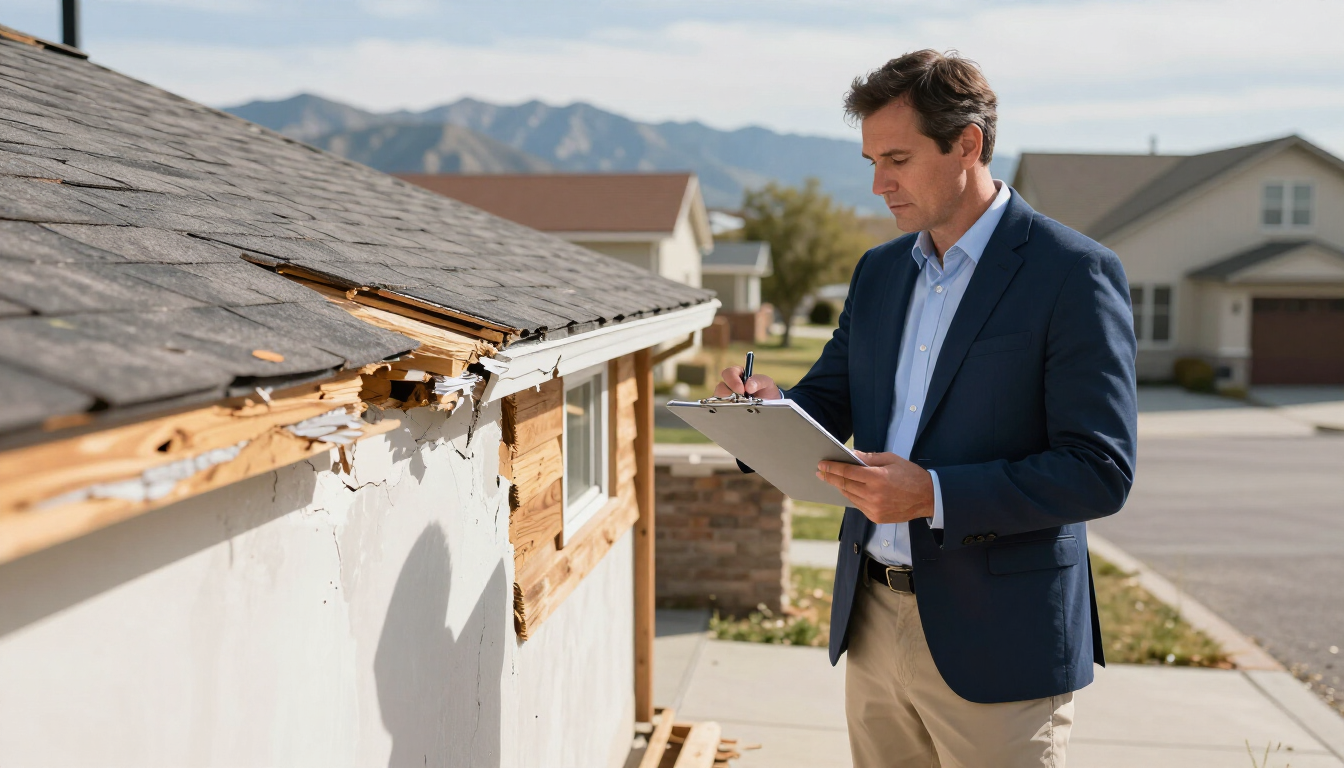
Professional public adjuster inspecting property damage in Utah
May 11, 2026
Discover why Utah and Idaho homeowners need professional public adjusters for insurance claims involving hail, water, and fire damage. Level the playing field and get the settlement you deserve.
A professional public adjuster reviewing an insurance claim for a homeowner.
April 29, 2026
Learn how a certified public adjuster helps Utah homeowners maximize insurance payouts for water, fire, and storm damage. Professional help for your insurance claim.

Person holding an apple and a donut with a bite taken from it
By Gerald Cleveland December 26, 2025
Why Utah Homeowners Should Watch the Texas Insurance Market Closely
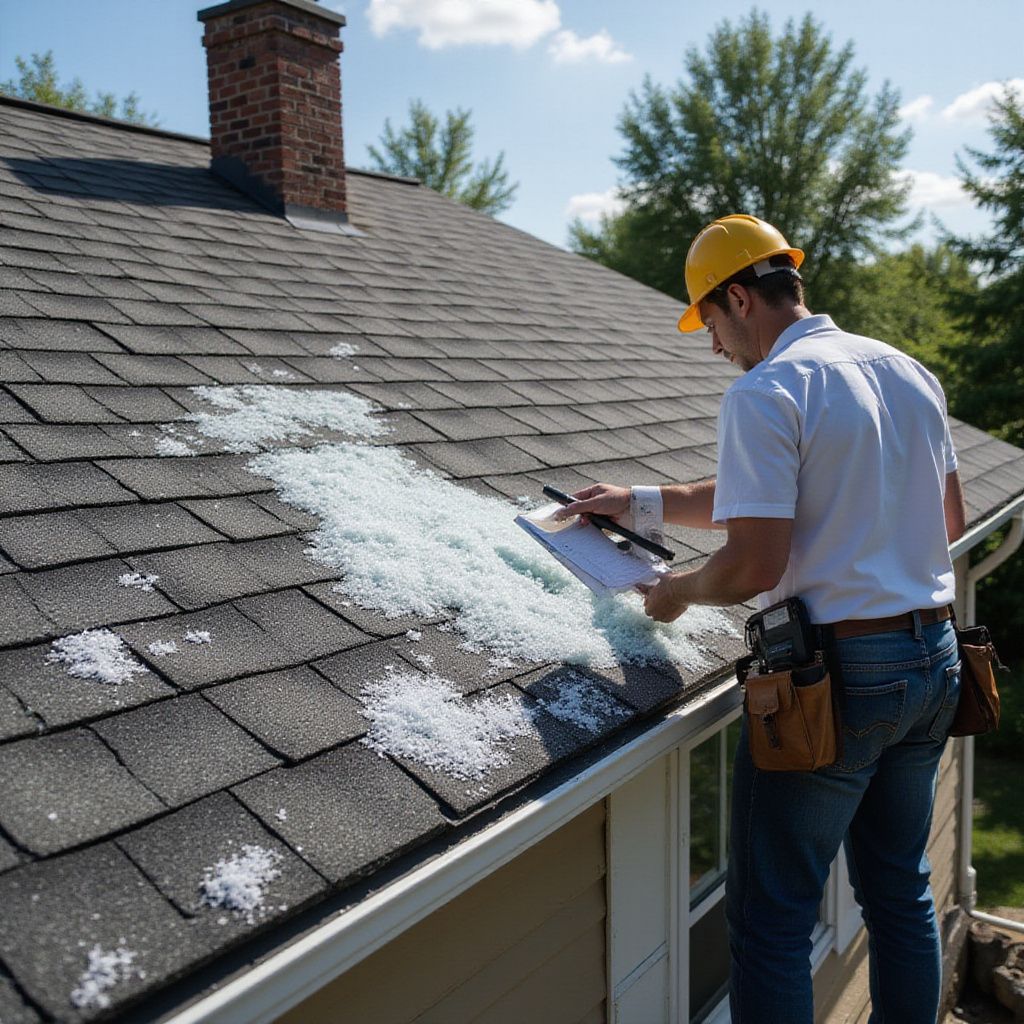
man standing on a roof looking at damage
By Gerald Cleveland December 26, 2025
Is it fraud to bend a few extra shingles when there is already damage?
By Gerald Cleveland December 13, 2025
How Public Adjusters Work, When to Hire One, and Why Insurance Companies Don’t Advertise Them