Why Insurance Companies don't always payout

September 8, 2026

Share this article

Insurance companies often underpay claims because their staff adjusters prioritize the company’s financial interests over the homeowner’s full recovery. By utilizing depreciated material costs, overlooking hidden structural damage, and applying narrow policy interpretations, insurers frequently provide settlements that fail to cover the actual costs of professional home restoration.

Why insurance companies don't always payout what they should?

When a homeowner in Salt Lake City or Boise experiences a significant loss, such as a burst pipe or a devastating kitchen fire, the immediate reaction is to trust the insurance company. After all, you have paid your premiums for years, and the policy is a promise of protection. However, the reason why insurance companies don't always payout what they should is rooted in a fundamental conflict of interest. The insurance adjuster assigned to your case is an employee or a contractor of the insurance company. Their primary loyalty is to the carrier, not the policyholder. This means their assessment is often filtered through the lens of cost-containment.

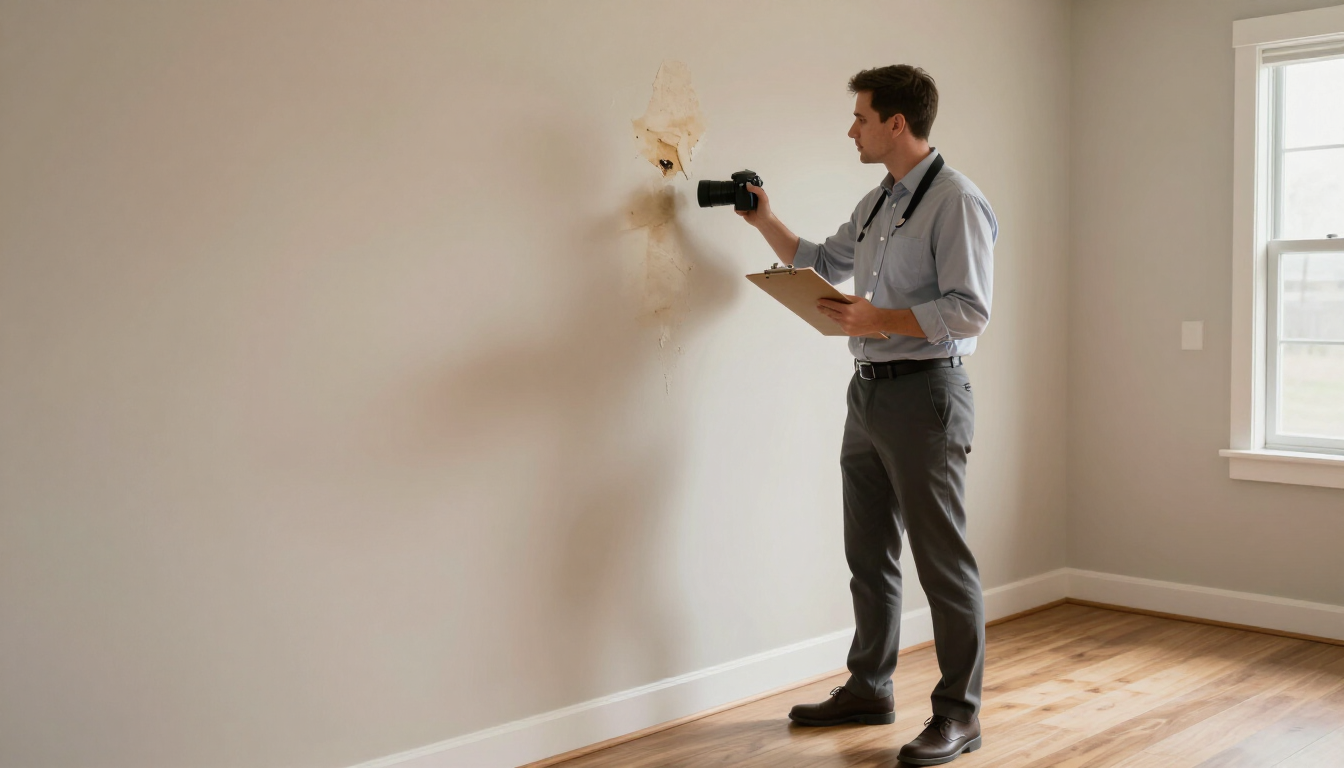
In many instances, the initial walkthrough by a staff adjuster is brief, sometimes lasting less than thirty minutes. In that time, it is nearly impossible to identify the full scope of damage, especially in complex cases involving Water & Mold Damage Insurance . When an adjuster rushes through a property in Orem or Provo, they might see the surface-level staining on the drywall but miss the microbial growth beginning behind the insulation. This systemic haste leads to "under-scoping," where the insurance company simply leaves out necessary repairs because they weren't documented in the initial inspection. For homeowners, this results in a settlement that barely covers the materials, let alone the skilled labor required to bring the home back to its pre-loss condition.

Understanding the Conflict of Interest in Claim Assessments

It is vital to recognize that an insurance company is a business designed to generate profit. While they have a legal obligation to act in good faith, their interpretation of "fair market value" often differs significantly from what a local contractor in Utah or Idaho will charge you. The internal metrics used by insurance carriers often reward adjusters for closing files quickly and keeping payout averages low. This creates an environment where the default position is to offer the minimum amount possible.

Many homeowners facing Denied and Underpaid Claims do not realize that the adjuster’s estimate is just a starting point, not a final verdict. The adjuster uses proprietary software like Xactimate, but the line-item prices in that software may not reflect the current inflation-adjusted costs of labor and materials in specific regions like Lehi or Spanish Fork. If the software says a sheet of drywall costs $30 but the local market price is $55, the homeowner is the one who suffers the $25 deficit. This gap is a primary driver of underpaid claims. Without a professional advocate to challenge these numbers, the homeowner is often forced to pay out of pocket for the difference.

Home inspection frustration

How do hidden damages impact your final settlement?

One of the most common reasons a payout falls short is the failure to account for hidden or secondary damages. In cases of Fire & Smoke Damage Insurance Claim , the visible charring is only the tip of the iceberg. Soot and smoke particles are acidic and can penetrate porous surfaces, electronic equipment, and HVAC systems far beyond the point of origin. If an insurance company only pays to paint over the smoke damage rather than properly cleaning the wall cavities and ductwork, the homeowner is left with a lingering health hazard and a home that still smells of fire.

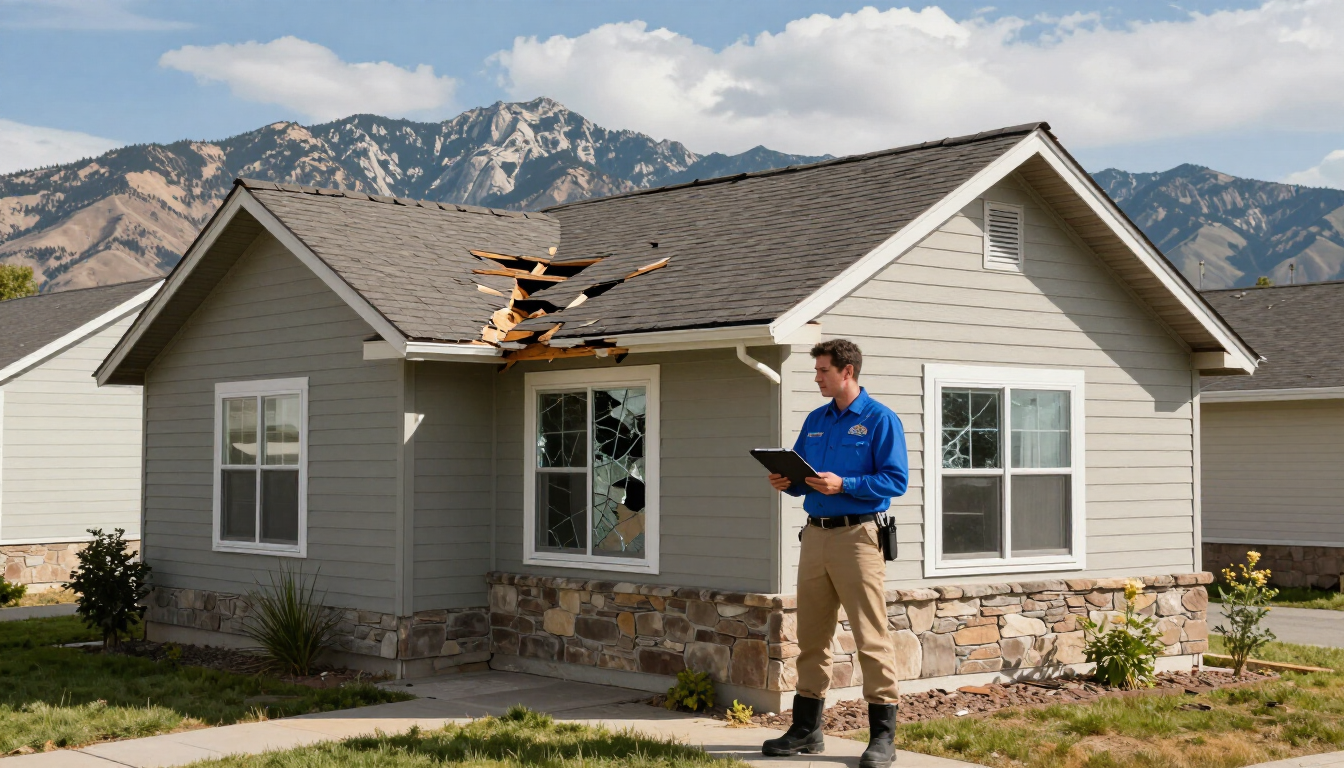
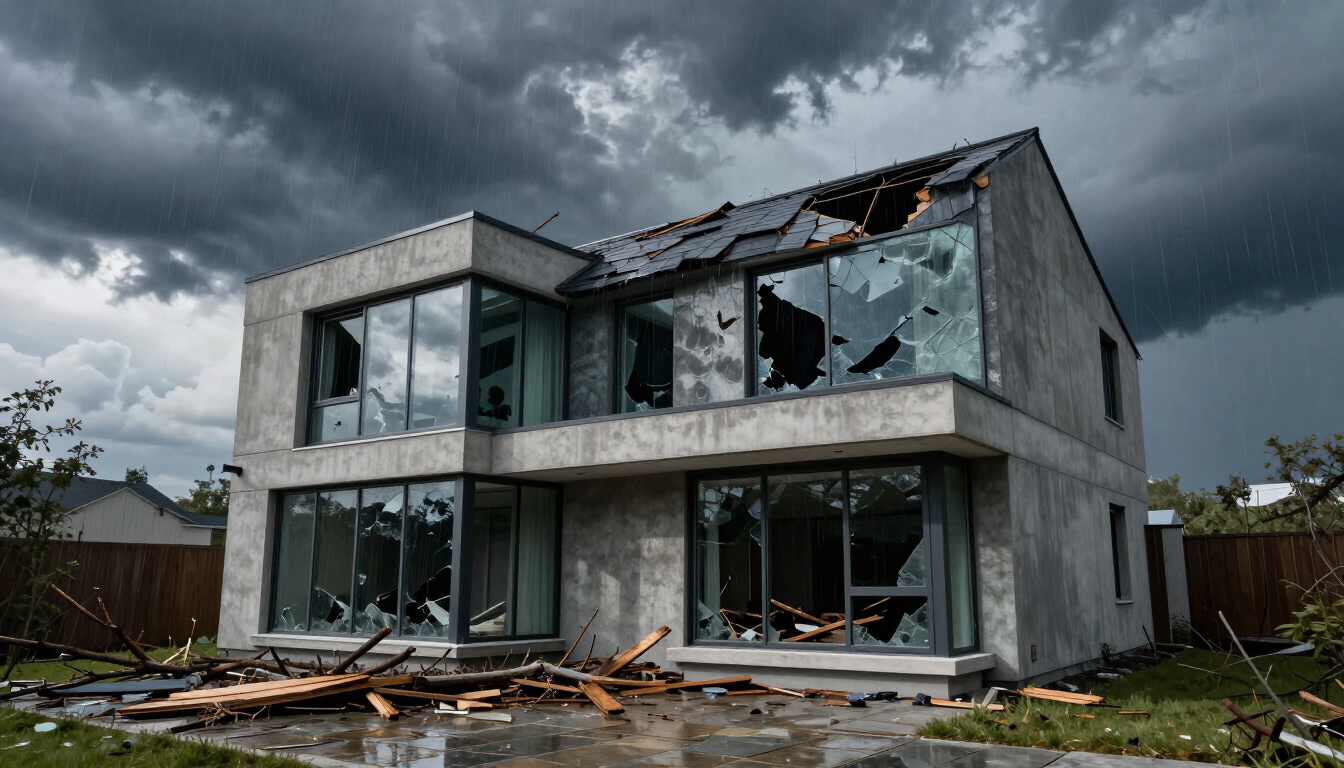
Similarly, with Storm, Wind, and Hail claims in Salt Lake City, the damage to a roof may not be immediately obvious from the ground. A staff adjuster might claim that a few missing shingles are the only issue, whereas a thorough forensic inspection might reveal that the integrity of the entire roof deck has been compromised by high-velocity winds. These hidden issues include:

  • Micro-fractures in roofing shingles that lead to premature leaks
  • Structural weakening of rafters due to impact stress
  • Moisture entrapment in wall cavities leading to wood rot
  • Compromised electrical wiring from water intrusion
  • Diminished insulation R-value after compression from flooding

When these factors are ignored, the claim is naturally undervalued. The insurance company relies on the fact that most homeowners are not construction experts and will not know to look for these issues until months or years later when the secondary damage manifests as a major problem.

The Technical Reality of Material and Labor Costs

Another significant hurdle in receiving a fair payout is the application of depreciation. Insurance companies often use a "Replacement Cost Value" (RCV) policy, but they initially pay out based on "Actual Cash Value" (ACV), which subtracts depreciation based on the age of the item. While this is standard practice, the math used to calculate depreciation is often aggressive. For example, if your kitchen cabinets were ten years old, the insurer might try to depreciate them by 50%, even if they were in pristine condition.

Furthermore, the labor rates used by insurance companies frequently lag behind the reality of the specialized trades. Finding a qualified contractor for Salt Lake City Insurance Claims Help means paying for someone who understands local building codes and permitting requirements. Insurance companies may use "national averages" for labor that do not apply to the high-demand markets of the Intermountain West. If the insurer offers $40 per hour for labor but the going rate for a licensed plumber or electrician in Provo is $95, the payout is fundamentally flawed. This technical discrepancy is why so many homeowners find themselves with a check that doesn't even cover half of the contractor's estimate.

Is your insurance settlement based on actual policy language?

Insurance policies are dense, legalistic documents that are difficult for the average person to navigate. Insurers often use specific clauses to limit their liability, such as "matching" exclusions. In some states, if a portion of your siding is damaged by hail, the insurer is only required to replace the damaged panels. If those panels are no longer manufactured, you could end up with a house that has two different colors of siding, significantly lowering your property value.

In Utah and Idaho, understanding whether your policy includes "law and ordinance" coverage is crucial. This coverage pays for the additional costs of bringing a damaged home up to current building codes. If your home is older and sustained damage, the cost to repair it might be $10,000, but the cost to make it code-compliant might be $15,000. Without a deep understanding of these provisions, you might miss out on thousands of dollars in legitimate coverage. Insurance companies rarely volunteer information about these extra buckets of money; it is up to the homeowner or their representative to identify and claim them. This is where Provo Water Damage Insurance Claims Help becomes essential for those navigating the aftermath of a flood.

Insurance paperwork analysis

How can a public adjuster increase my claim value?

A Public adjuster acts as a professional counterweight to the insurance company’s adjuster. Unlike the staff adjuster, a public adjuster works exclusively for you, the homeowner. They possess the same technical tools and knowledge as the insurance company but use them to maximize your benefit rather than minimize the company’s loss. By conducting a comprehensive, independent inspection, they ensure that every shingle, every square inch of drywall, and every hour of labor is accounted for in the claim.

The presence of a public adjuster changes the dynamic of the negotiation. When the insurance company knows that a professional is reviewing their work, they are less likely to use lowballing tactics or ignore obvious damage. A public adjuster handles the heavy lifting, from documenting the loss to negotiating with the carrier's representatives. This often leads to settlements that are significantly higher—sometimes double or triple the initial offer—ensuring that you can actually afford to rebuild your home properly. For residents dealing with Salt Lake City - Hail Damage , this expertise is the difference between a patch-up job and a full, high-quality restoration.

Essential Steps for Maximizing Your Claim Payout

If you find yourself facing property damage, the steps you take in the first 48 hours are critical to the eventual payout you receive. You must document everything and avoid making permanent repairs before an inspection occurs. To protect your interests and ensure you aren't underpaid, consider these five actionable steps:

  • Take high-resolution photos and videos of all damage immediately
  • Keep a detailed log of all communications with the insurance company
  • Request a complete copy of your insurance policy, including all endorsements
  • Obtain independent repair estimates from trusted local contractors
  • Consult a licensed public adjuster to review your initial settlement offer

By following these steps, you place yourself in a position of strength rather than one of uncertainty. The insurance process is designed to be daunting, but with the right knowledge and professional support, you can successfully navigate the complexities of property claims.

In summary, insurance companies don't always payout what they should because their business model relies on minimizing expenses. From using outdated pricing software to overlooking the subtle signs of long-term damage, the system is tilted in favor of the carrier. Whether you are dealing with water, fire, or hail, remember that the first offer is rarely the best offer. Protect your investment by ensuring that your claim reflects the true cost of restoration. If you feel your settlement is insufficient, reach out for a professional evaluation to close the knowledge gap and secure the funds you need to make your home whole again.

Recent Posts

Close up of insurance policy and magnifying glass highlighting fine print
July 21, 2026
Learn why homeowners insurance claims get underpaid and how to secure a fair settlement for property damage in Utah and Idaho. Discover how a public adjuster can help.
Professional public adjuster inspecting property damage in Utah
May 11, 2026
Discover why Utah and Idaho homeowners need professional public adjusters for insurance claims involving hail, water, and fire damage. Level the playing field and get the settlement you deserve.
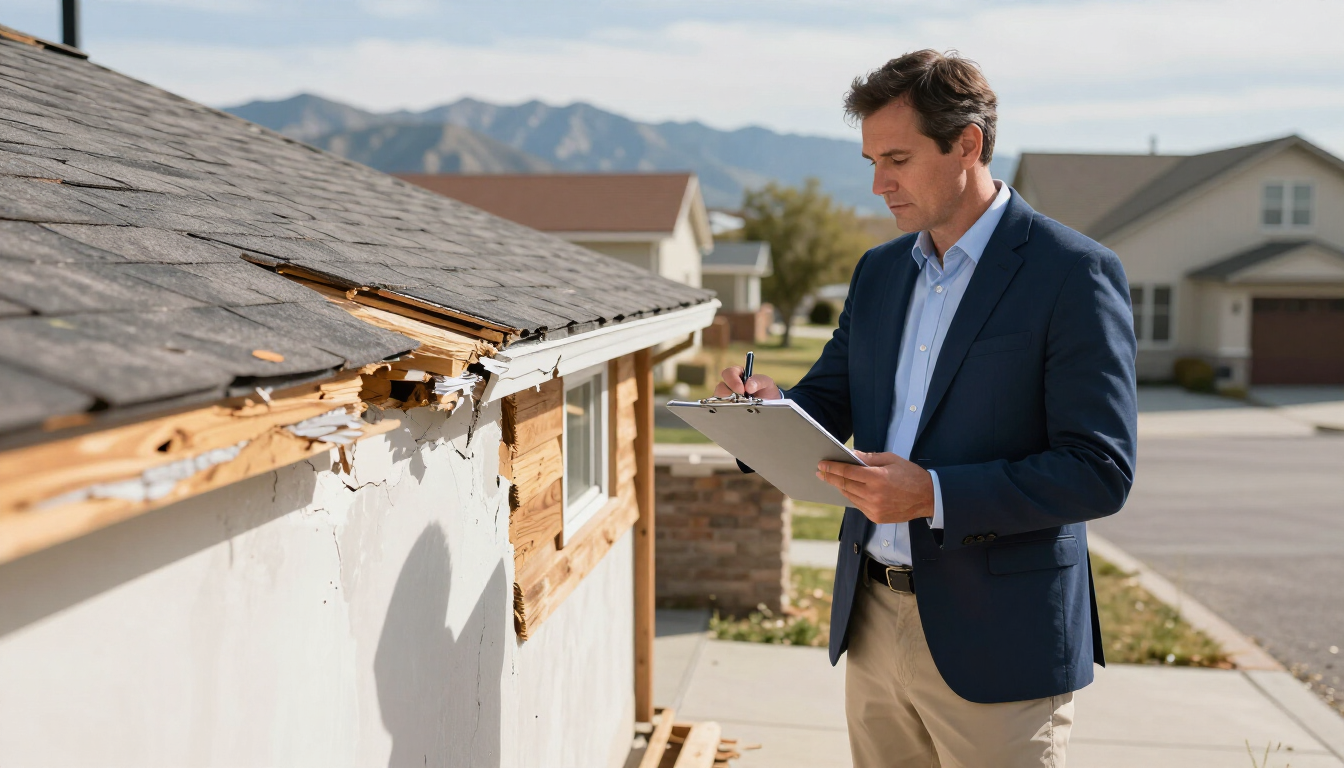
A professional public adjuster reviewing an insurance claim for a homeowner.
April 29, 2026
Learn how a certified public adjuster helps Utah homeowners maximize insurance payouts for water, fire, and storm damage. Professional help for your insurance claim.

Person holding an apple and a donut with a bite taken from it
By Gerald Cleveland December 26, 2025
Why Utah Homeowners Should Watch the Texas Insurance Market Closely
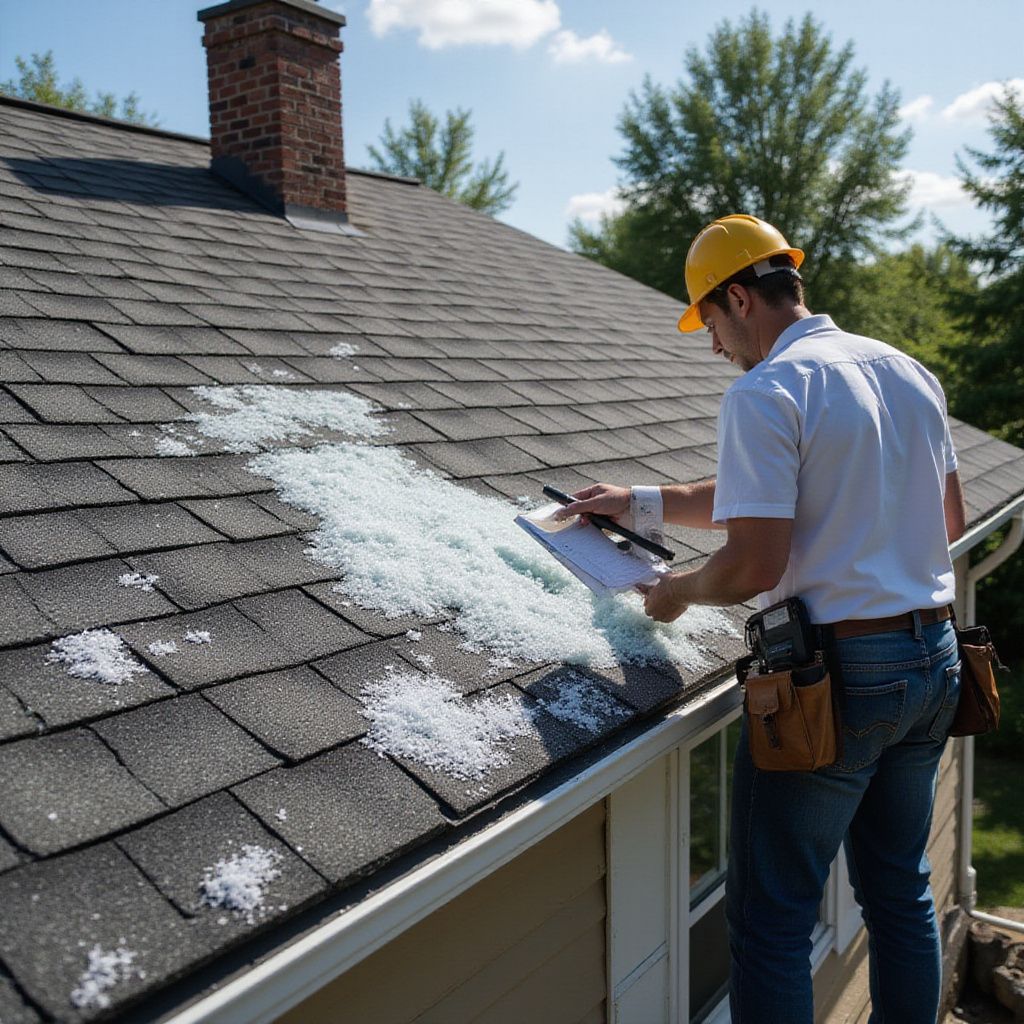
man standing on a roof looking at damage
By Gerald Cleveland December 26, 2025
Is it fraud to bend a few extra shingles when there is already damage?
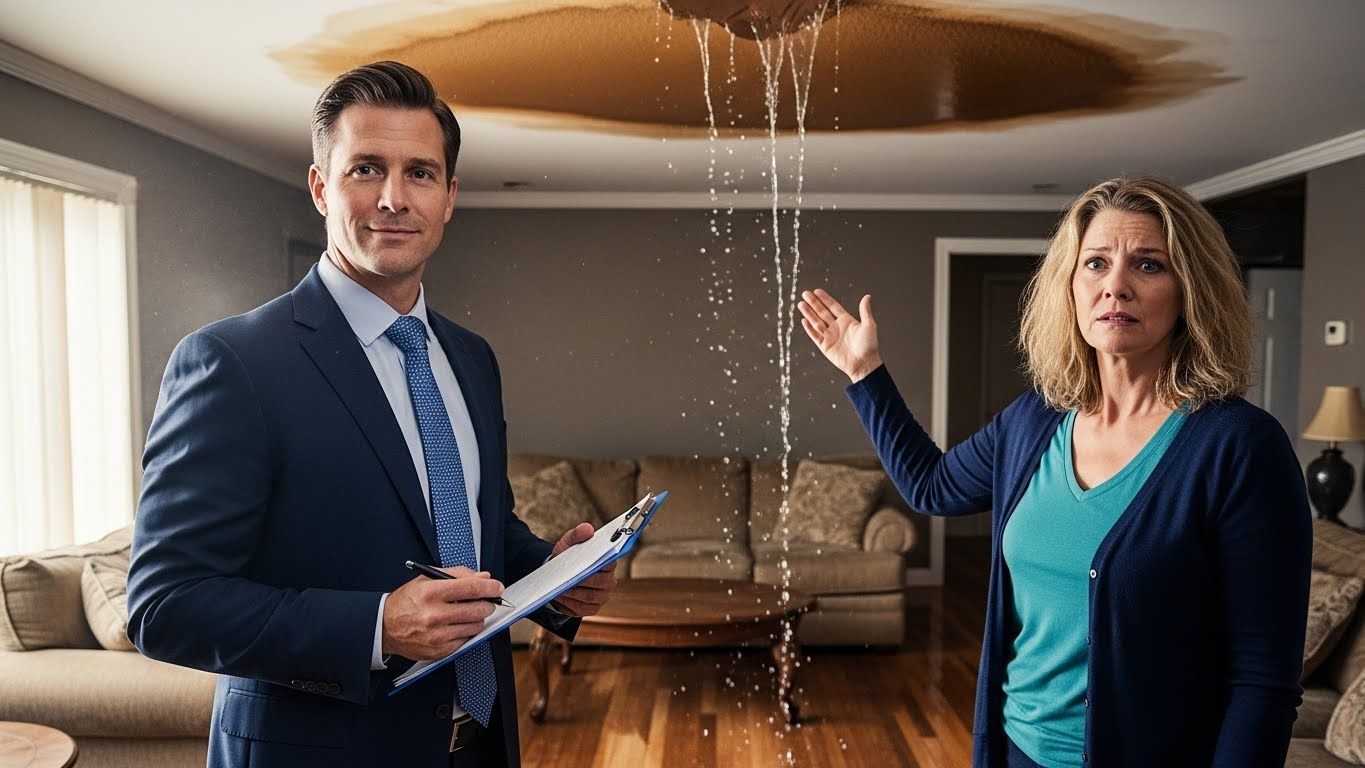
By Gerald Cleveland December 13, 2025
How Public Adjusters Work, When to Hire One, and Why Insurance Companies Don’t Advertise Them